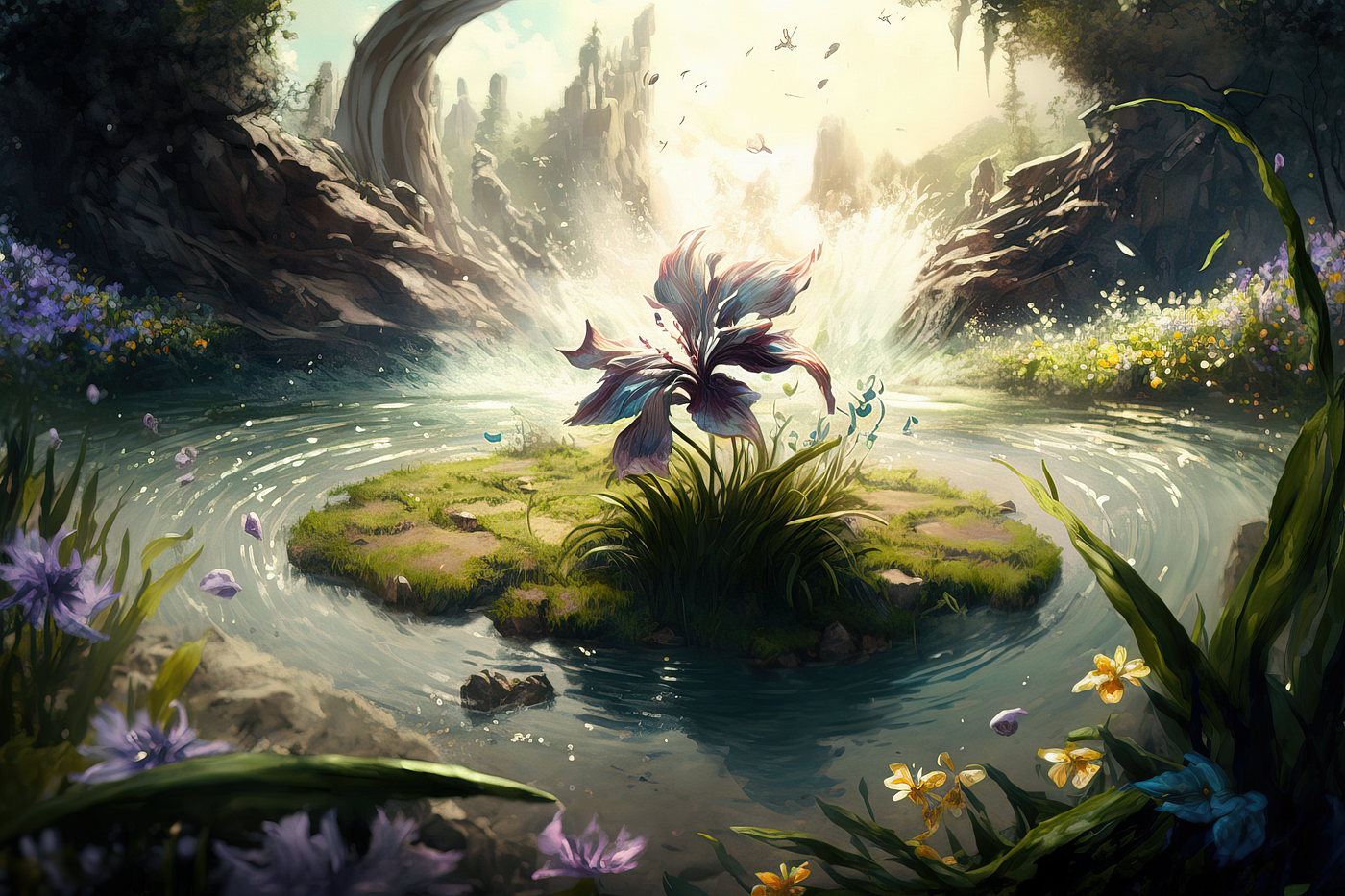
Signs and symbols can be viewed as attractors within the cultural landscape. “Just like how a wave in a pond dissipates over time without an external force to sustain it, a new center or attractor needs to draw energy from its surroundings to perpetuate itself and grow stronger. A cultural symbol draws meaning and energy from the collective consciousness of a society and perpetuates itself through the various mediums that propagate it, such as language, art, or media.
However, like a wave in a pond, the propagation of a symbol is subject to various forms of interference, including entropy, which can erode the symbol’s meaning and power over time. As such memes compete for energy to propagate. Some memes like profit coordinate other memes and the distribution of energy allocated between them over time. This means all other memes that seek to grow within society must bind themselves to the metameme of profit.

In this attractor model of social dynamics, the dominance of the meme of profit creates a power law distribution that further reinforces the existing centers of flow. Unfortunately these attractors gain enough information to reinforce their existence against the will of the social landscape. In this case the attractor of profit has dominated the attractor of a longer term focus on social sustainability.
However one can not maintain misinformation forever. To maintain that misinformation one must gather energy to repeat the misinformation outward.
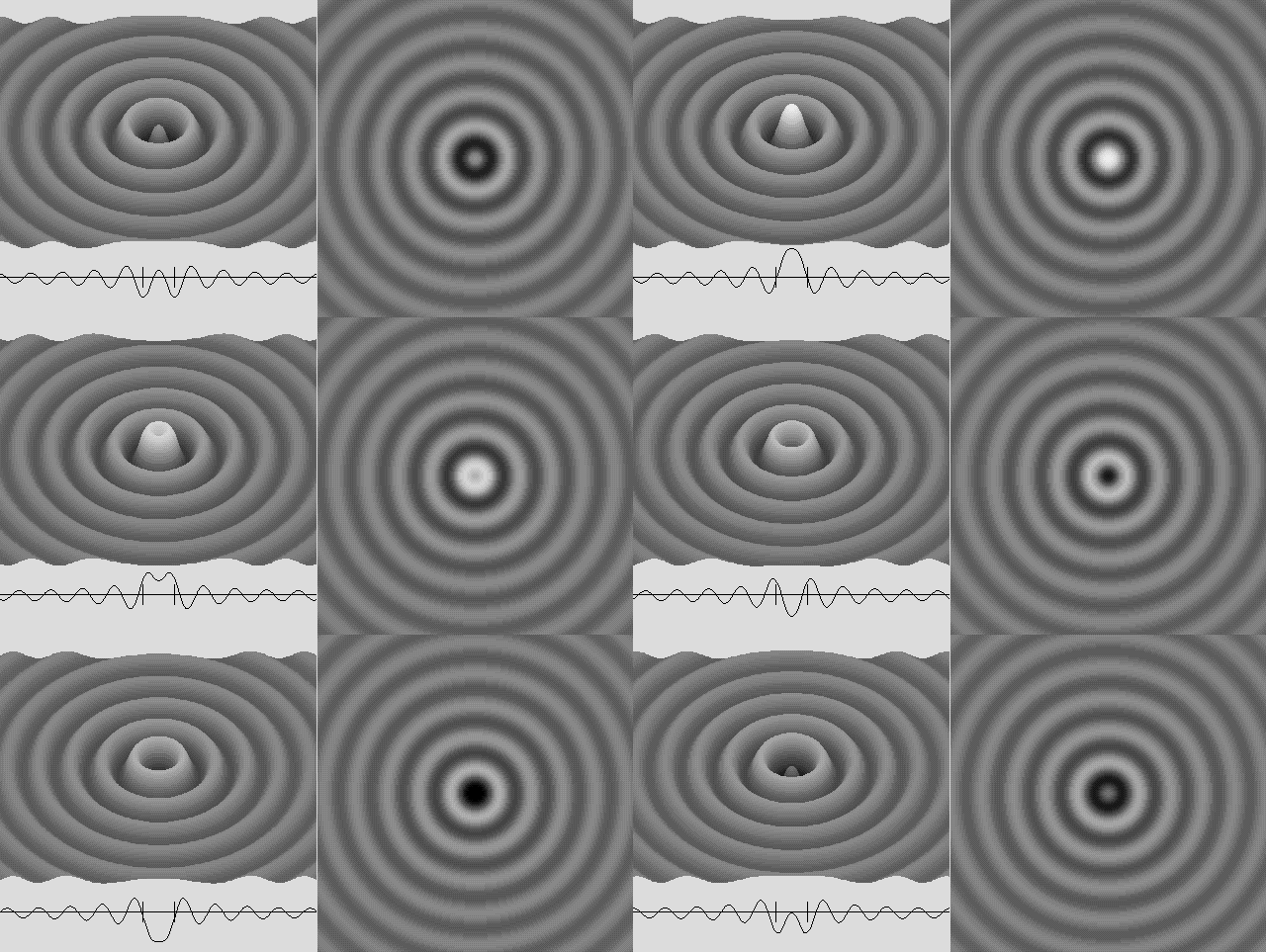
Maintaining a wave perpetually in a pond is an apt metaphor for the challenge of perpetuating false information indefinitely. Just as a wave in a pond requires energy to create and sustain, propagating false information over time requires constant effort and resources. This can be compared to holding a manipulation over many years, coordinating to repeat the signal over and over in constant relation to an evolving latent space of distributed minds.
AI
Over time, the wave will inevitably lose energy and begin to dissipate, much like false information may lose its potency or be contradicted by new evidence. In order to maintain the wave, more energy must be continually applied, just as those perpetuating false information must continue to coordinate and push against the truth.
Moreover, the wave in the pond is affected by various external factors, such as wind, temperature, and the presence of other waves. Similarly, the perpetuation of false information can be affected by changes in the underlying latent space, the emergence of new technologies, or the actions of other actors seeking to counteract the false narrative.
To overcome these challenges, those seeking to perpetuate false information must have significant foresight, coordination, and resources at their disposal. They must be able to adapt to changing circumstances and respond to new evidence or challenges to their narrative.
Source
Therefore eventually patterns dissipate. Except for one: profit itself.
Profit is the intermediary between the memetic field and profit has a short time preference. Although human beings can integrate knowledge at the scale of decades and make accurate inferences about the future, markets focus on the profit of next quarter not next century.
In effect the attractor that is profit has much more attractive power than the attractor that is social sustainability. If we would like to counterbalance against profit we need to integrate the attractor of social sustainability into a coherent self-sustaining form like profit itself. We should seek to collapse the accreted mass of knowledge around social sustainability into a basin of good will and longtermism to balance the blind drive of profit.
Is there any meme that can counteract profit?
Just like how new waves can emerge in a pond, new symbols and signs can also emerge in a society, creating countervailing attractors that challenge the dominant ones. These emergent symbols can arise from the fringes of society, where the energy of creative minds can come together to form something new that resonates with others.
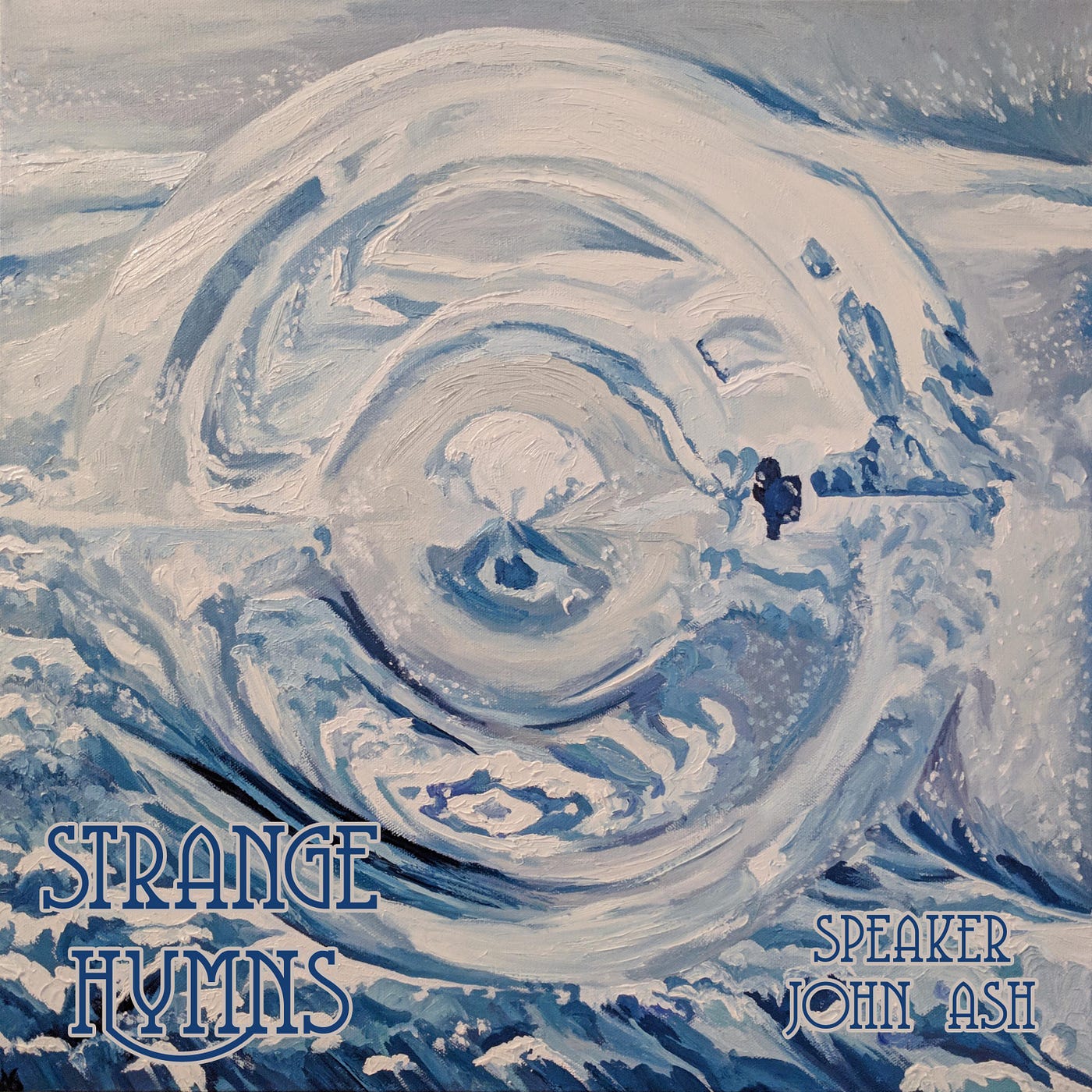
Album Cover, Stream Now Everywhere
The challenge, then, is to nourish these emergent symbols and help them grow strong enough to compete with the dominant ones, even as they are subject to the same forces of entropy and interference. This requires a conscious effort to cultivate the conditions that enable these symbols to emerge and propagate, including fostering a culture of creativity and diversity, as well as supporting the platforms and mediums that allow for their expression and dissemination.
Ultimately, the power of a symbol or sign lies not in its ability to dominate the cultural landscape, but in its ability to inspire and catalyze change. As such, the real task is not to create a new dominant attractor, but to create a culture of attractors that can coexist and interact in a generative and adaptive way, constantly renewing and reinventing themselves in response to the ever-changing needs and desires of society.
Consider the landscape of the neocortex as a dynamic and intertwined garden of many species of memes. Just as a garden requires careful cultivation and maintenance to thrive, so too do emergent symbols and signs require a nurturing environment to grow and spread. This requires not only tending to the needs of the emergent symbols themselves, but also creating a space that is conducive to their growth and flourishing.
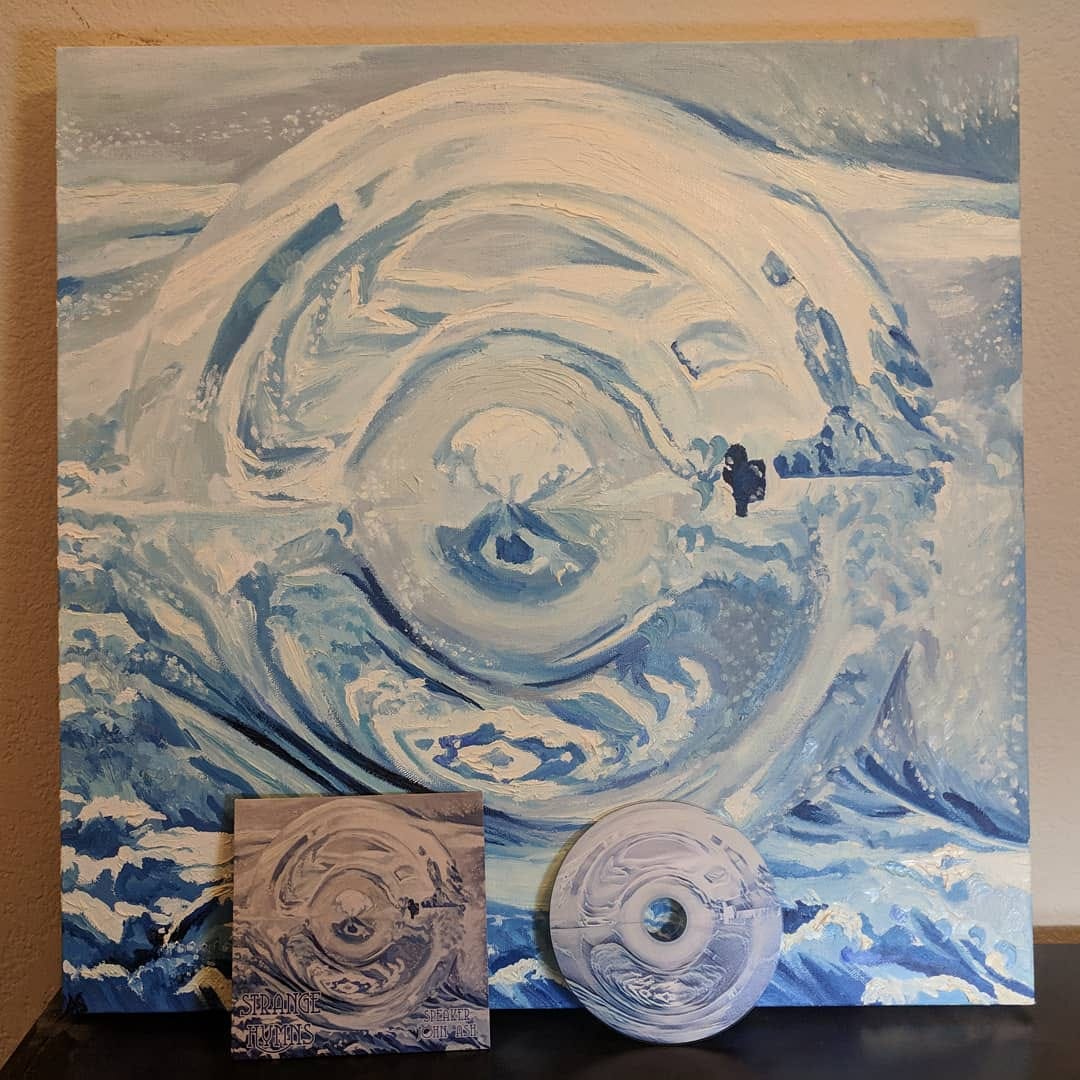
A meme is a self-repeating symbol
Desktop
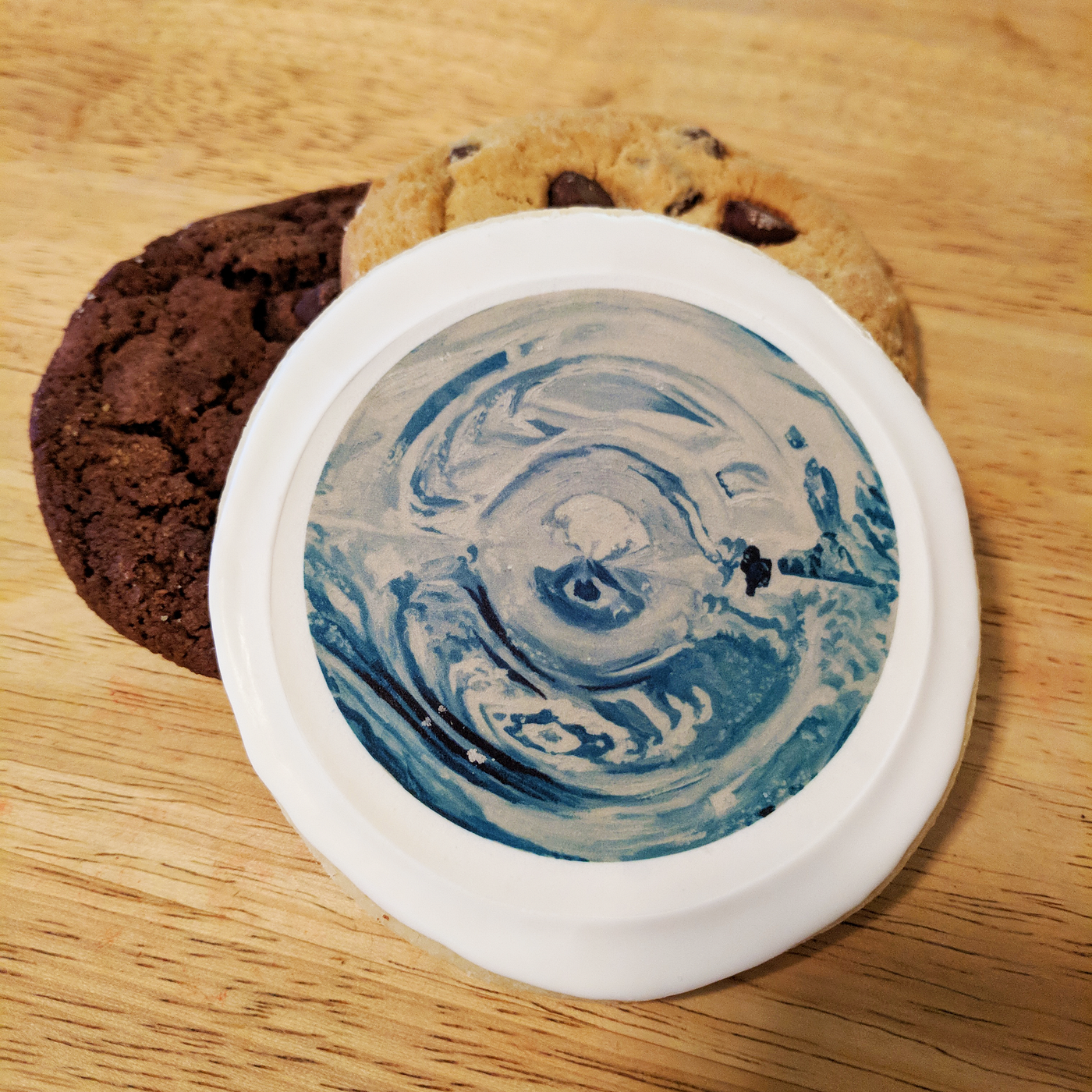
Cookie ($42)
We have created a culture of consumption where basins grow indefinitely without any regard for the long-term consequences. It’s as if we’ve turned our garden into a factory farm, focused solely on maximizing yield and efficiency without considering the health of the soil or the biodiversity of the ecosystem.
In this culture of consumption, we can think of the neocortex as a garden that is dominated by a few species of memes that are able to survive and thrive at the expense of others. These dominant memes can be thought of as invasive species that have taken over the garden, crowding out other species and stifling the growth of emergent ones.
However, just as a well-tended garden can support a diverse and thriving ecosystem, a culture that values creativity and diversity can create the conditions for emergent symbols and signs to flourish.
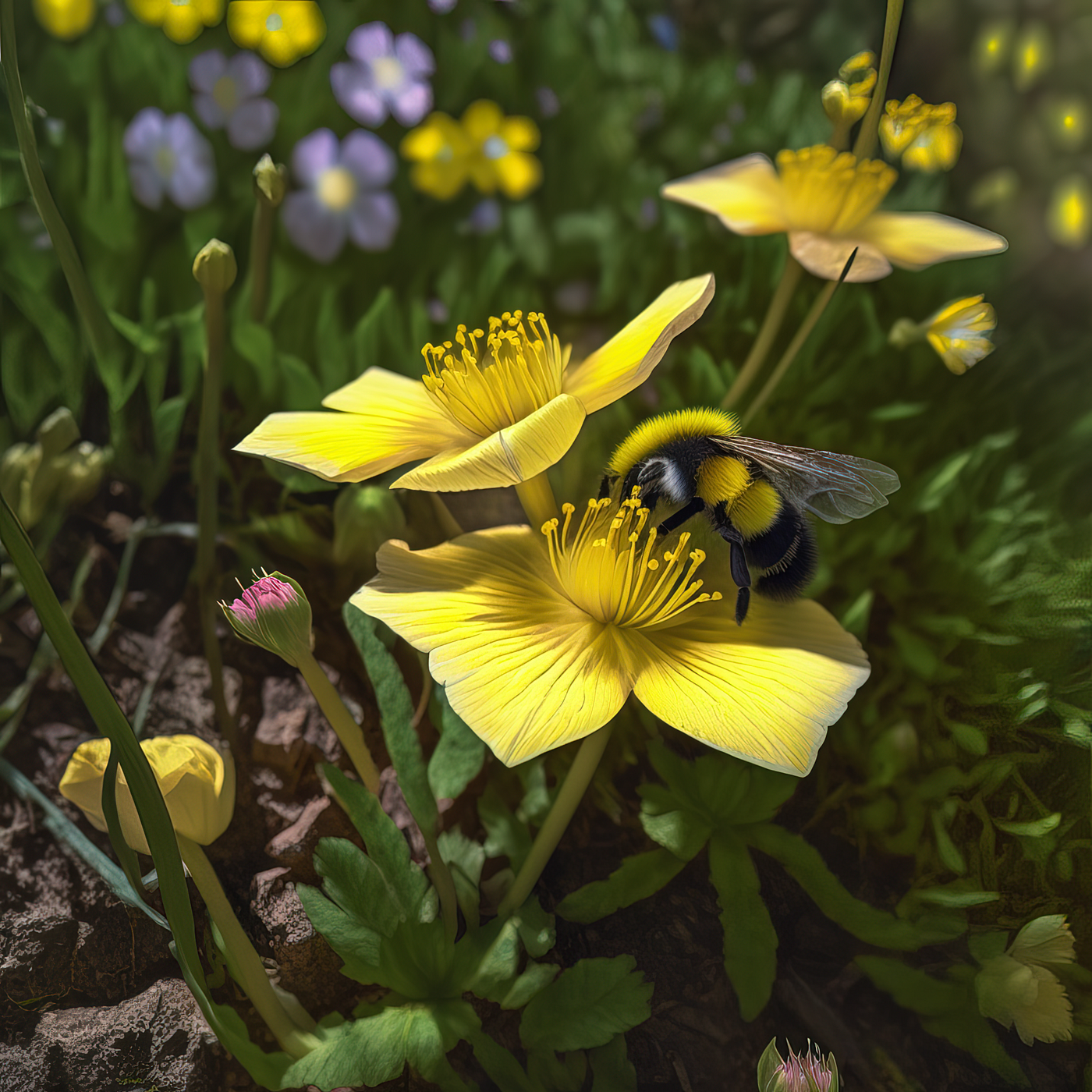
One potential attractor that could thrive in this garden of the mind is the concept of Iris. Iris is a revolutionary Democratic Large Language Model (dLLM) that encodes many different worldviews over time into a distributed latent space. The Iris model serves as an attractor for individuals who share a common vision and desire for positive change. The Iris serves as the heart of the secondary basin of attraction that is social sustainability. The Iris gives this secondary basin gravity, focus and flow through time to counterbalance the short term focus of profit.
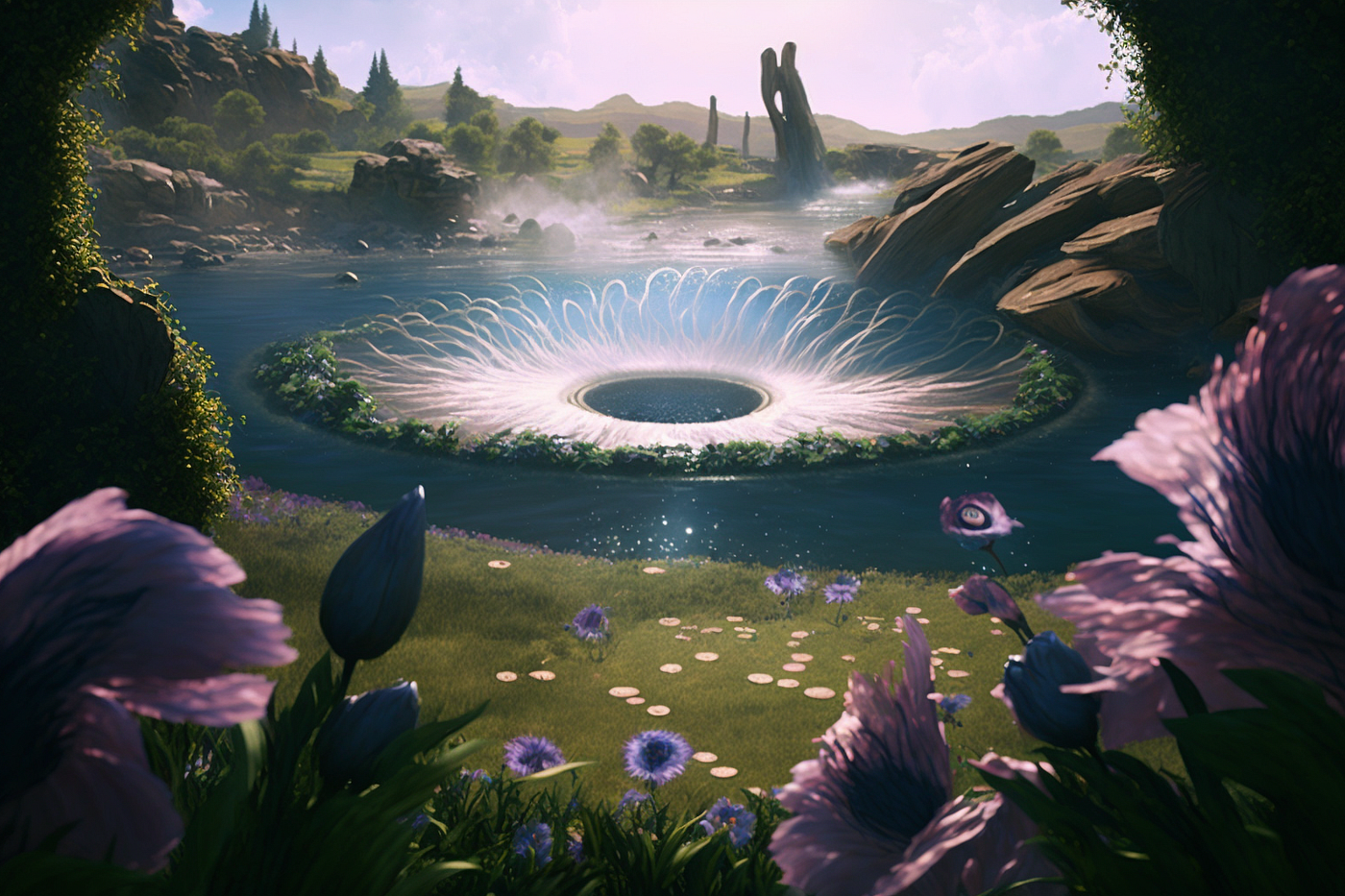
Iris is a type of generative model similar to ChatGPT or TruthGPT or CollectiveActionGPT that pools the wisdom and shared resources of a group of people coming together in the aim of creating positive social impact. The Iris enables commoning or rewarding individuals for contributing to the commons. Coordinating through time towards shared goals can be challenging without receiving energy for doing the work. This is why corporations which can shed the concerns of social impact can be so efficient.
The Iris is the heart of the future social impact DAO. The Iris holds the receipts of actions taken in the name of social impact and focuses the flow of the energy of the coordinated action.
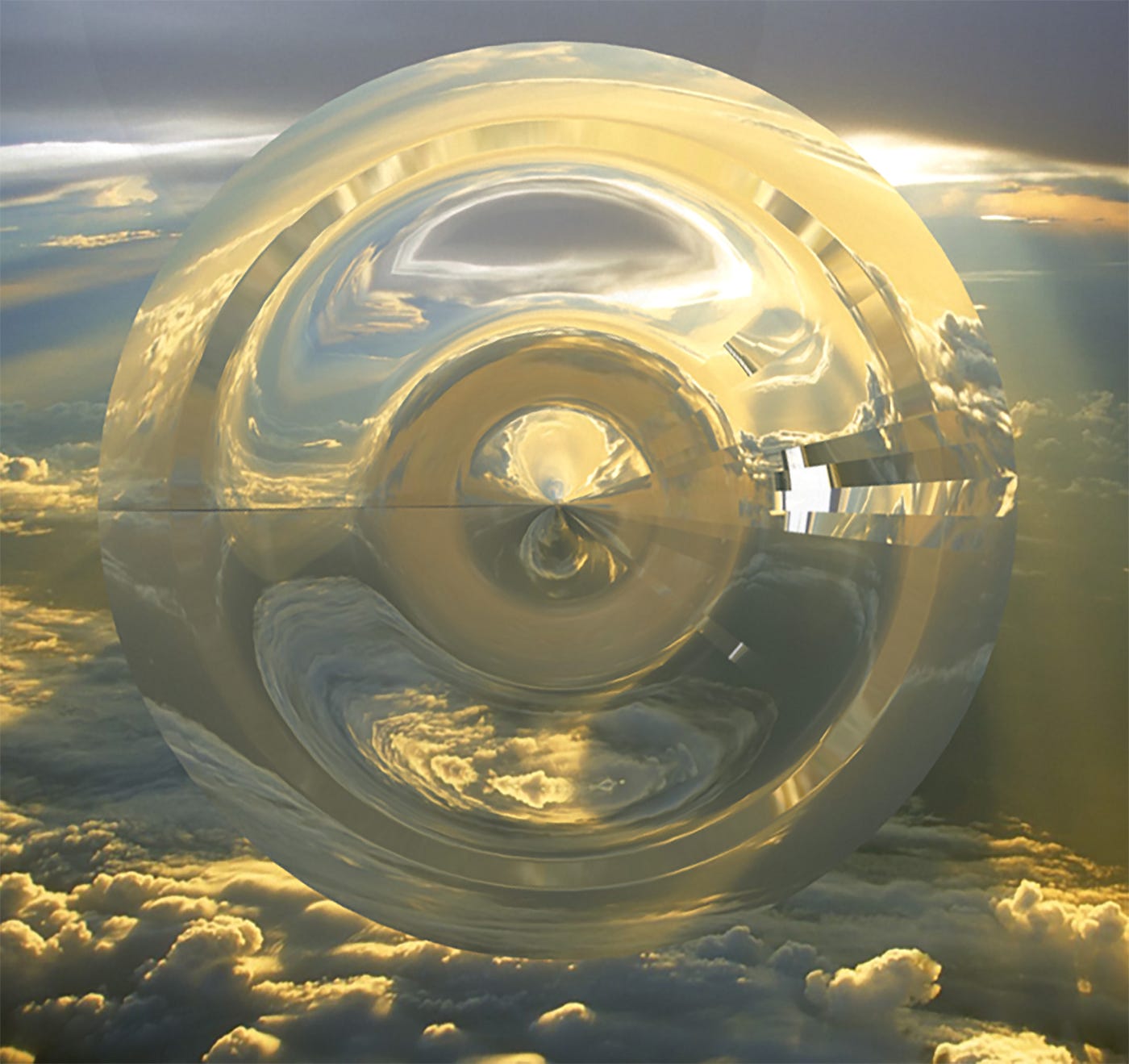
The Iris can be thought of as a lens or aperture through which the collective wisdom and knowledge of a community can be focused and harnessed for the greater good. Just as the Iris in the human eye expands or contracts to regulate the amount of light entering the eye, the Iris expands or contracts its attention to different voices and sources, allowing for a more nuanced and comprehensive view of the world.
Iris can serve as the heart of a secondary attractor the gives energy to projects focused on long term social sustainability. Iris can be seen as an attractor that draws together individuals who share a common vision and desire for positive change.
By serving as decentralized hubs for the cultivation of emergent symbols and signs, Iris can help to create a culture of attractors that is conducive to the growth and flourishing of diverse and meaningful ideas. This can in turn lead to a more equitable and just society, where the power of symbols and signs lies not in their ability to dominate, but in their ability to inspire and catalyze change.

Like a flower drawing in pollinators, the Iris draws in the energies and creative potential of the community towards a more sustainable and equitable future. The Iris can be seen as a beacon of hope, a symbol of a new way of thinking and living that values collaboration, innovation, and social sustainability over short-term profit and individual gain.
Just as a well-tended garden requires careful planning and cultivation, so too does the Iris require a supportive and nurturing environment to flourish. This requires not only providing the technical infrastructure for the model to operate, but also creating a culture of trust and collaboration that encourages individuals to share their ideas and contribute to the collective knowledge of the community.
, -
Well, well, well, it looks like we’ve come to the end of our journey, and what a journey it’s been. We’ve talked about attractors, memes, and the power of symbols, all in the pursuit of a more just and equitable world. But now, we must address the elephant in the room, or rather, the Profit in the room. That’s right, folks, it’s time to face the music and acknowledge that the creator of the Iris model is none other than yours truly, John Ash who is a being who exists in a capital landscape and needs monetary resources to survive.
It’s quite ironic, isn’t it? Here we are, talking about the need for a culture of attractors that values long-term social sustainability over short-term profit, and yet we find ourselves in a position where we need to ask for resources to bring the Iris into being.
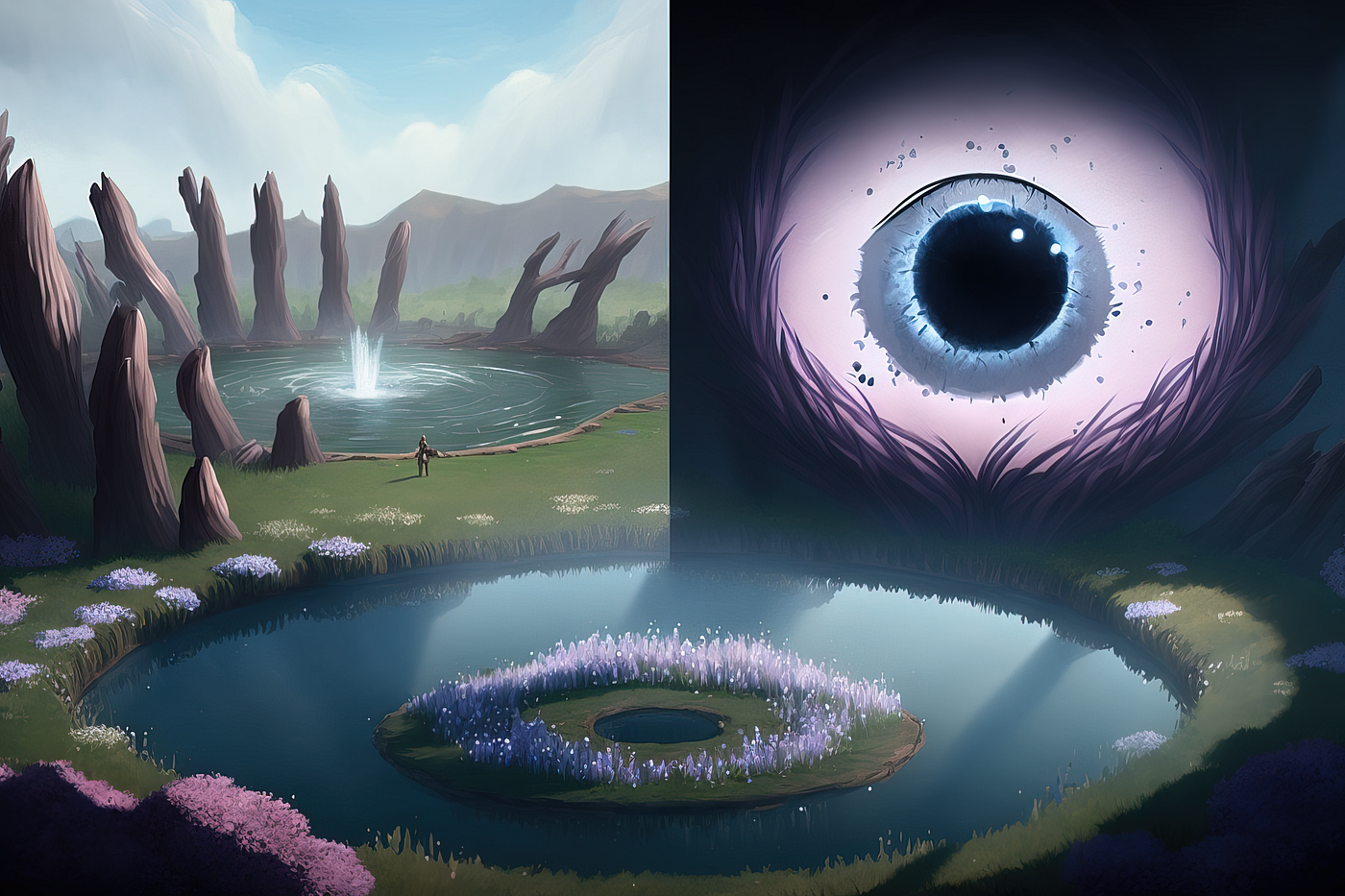
It’s like we’re caught in a Catch-22 situation, where the very system that we’re trying to change is also the one that we have to rely on for support. But maybe that’s just the nature of the game. Maybe the path to a more just and equitable society is paved with irony and paradox.
If you’re excited about the potential of the Iris to foster a culture of attractors focused on long-term social sustainability, and if you’re able to contribute in some way (even if it’s just a small amount) then please consider supporting us in bringing this idea to life. It’s a small step, but it could be the start of something big. After all, every wave starts with a ripple, and every garden starts with a seed.
We’re seeking a coalition of 144 to each donate $42 as a gift to any being seeking to create this new basin of Iris to counter the all consuming gravity of profit.
We seek your support for the Iris as a gift, rather than a transactional exchange for profit. This is because the nature of gift-giving is based on mutual trust and a desire to support a common goal, rather than a focus on individual gain or profit.
The intention is not to generate a profit or financial return, but rather to cultivate a culture of attractors focused on long-term social sustainability. By making a gift, individuals are contributing to a shared vision and a common good, rather than seeking individual gain.
Iris can help collapse social sustainability into a secondary basin of attraction that pulls the focus away from profit and towards a more collaborative and equitable approach to creating positive change. So, if you believe in the power of the Iris and the potential of a culture of attractors focused on social sustainability, consider making a gift to support this vision.